Good amplifiers for streaming? Multi-room audio, Roon Ready and other factors
5 important features of a good streaming amplifier
Nowadays, we cannot imagine the digital world without music streaming. The quality of an audio reproduction is a crucial thing for technology enthusiasts, especially those from the Gen Z and streamer community. A good streaming amplifier is capable of far more than just self-calibrating multi-room audio or being integrated smoothly. This article identifies which features are necessary for a device to become a really good streaming amplifier.
The basics for high-fidelity audio from the web: what does a streaming amplifier require nowadays?
High-fidelity (hi-fi) audio means an audio reproduction which is very natural and clear, almost like the original recording. First of all, this is purely a technical requirement. Nowadays, a good hi-fi amplifier should meet the following criteria:
- High audio resolution: support of up to 192 kHz/24 bits
- Low background noise and high dynamic range
- Versatile audio formats, e.g. MP3, AAC, ALAC, APE, FLAC, WAV, WMA and OGG
Beside the high-fidelity, what should an excellent streaming amplifier also be capable of?
5 important features of a good streaming amplifier
1. Easy setup and smooth integration
A modern streaming amplifier features a simple setup. After unpacking the device, the best case scenario would be that the respective app opens automatically and guides the user through the installation process. The device should be ready for operation in just a few minutes. Thanks to a smooth integration with Chromecast Audio, AirPlay2 and Alexa, a good streaming amplifier can be integrated into existing smart home systems without any problems.
2. Multi-room audio and self-calibration
Self-calibrating multi-room audio is an impressive feature of modern streaming amplifiers. Thus, it is possible to group multiple devices for a synchronous reproduction. A built-in microphone allows for an automatic synchronisation of the speakers. This is an essential element for a well-balanced sound in different rooms.
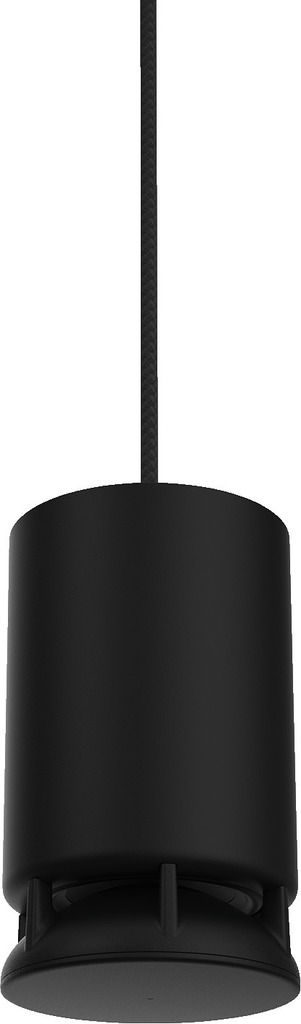
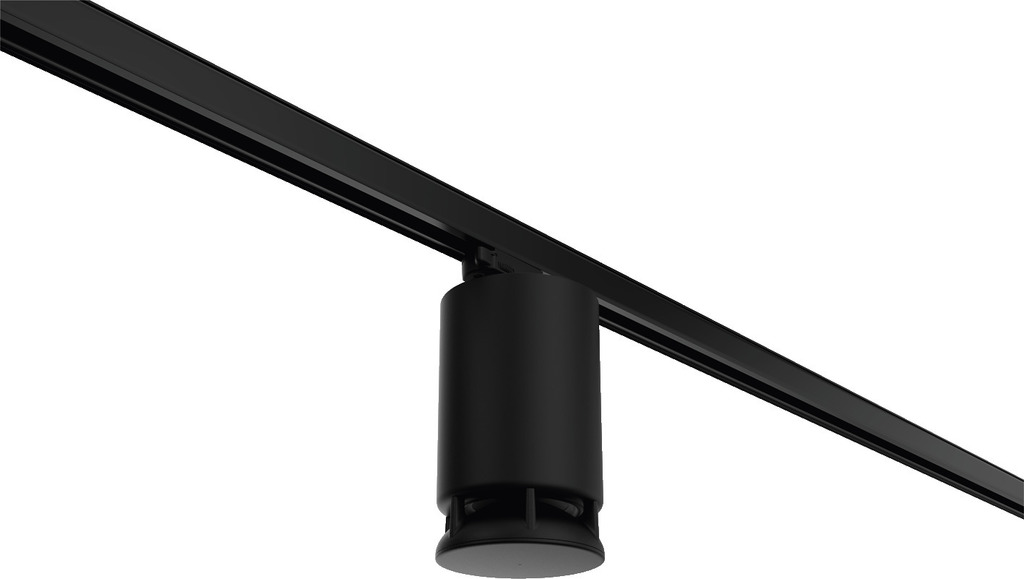
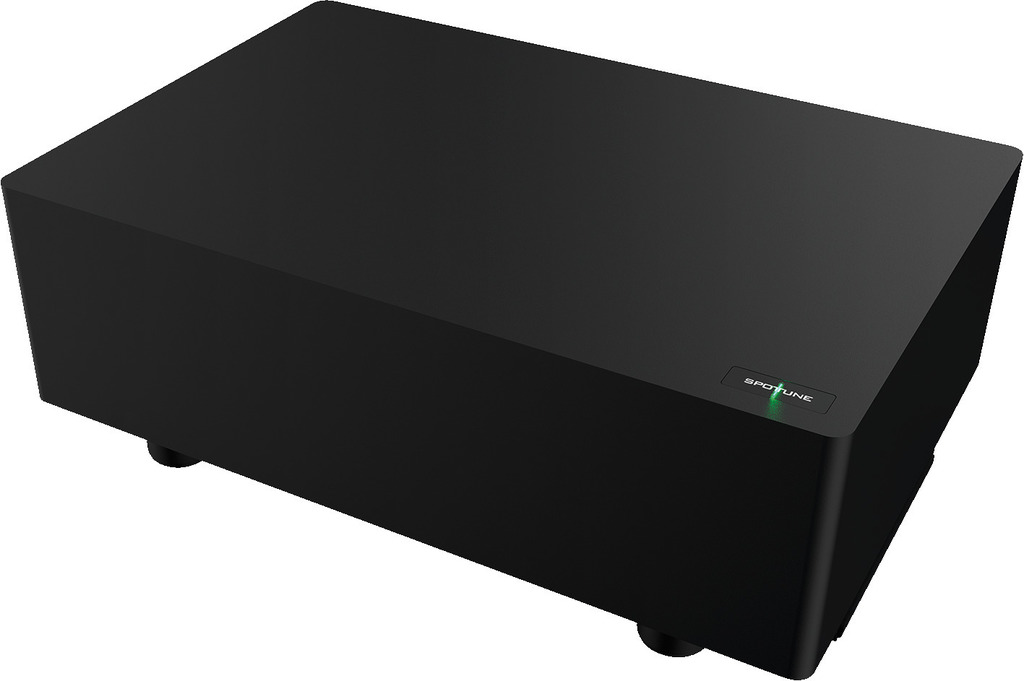
Discover Spottune, wireless audio solutions
wireless audio streamer
audio transmission: UHF band 1.8-1.9 GHz,
operating range: approx. 50-100 m, depending on surrounding and place of application
black
3. Specifications and connections
An ideal streaming amplifier should include the following technical must-haves:
- an analogue line input (RCA),
- an optical input (SPDIF),
- an analogue line output (RCA),
- a digital optical output (SPDIF),
- a digital coaxial output, preferably up to 192 kHz/24 bits,
- Ethernet (100M) and dual band Wi-Fi (IEEE 802.11 b/g/n/ac) as well as
- Bluetooth 5.1, SBC and AAC, both as receiver and transmitter.
4. Compatibility and supported services
A modern streaming amplifier is compatible with various services and
protocols. Popular platforms are important, e.g. Spotify, Amazon Music,
Deezer, Apple Music, TuneIn, Tidal, Qobuz, SoundCloud, Pandora,
iHeartRadio, vTuner or Napster. It should also support the most common
protocols and standards, e.g. Chromecast Audio, AirPlay 2, DLNA and
UPnP. Bonus: the streaming amplifier operates perfectly with voice
assistants such as Alexa, Google Assistant and Apple Siri.
5. Roon Ready and other features
Roon Ready certification is another highlight of many streaming amplifiers. Roon is an advanced music organising and streaming platform which is particularly popular among audio enthusiasts. With Roon, it is possible to smoothly integrate the streaming amplifier into intelligent multi-room audio systems to meet highest requirements.

Requirements by game streamers: what is a must-have of streaming amplifiers?
A streaming amplifier for game streamers on platforms such as Twitch has to meet special requirements.
- First of all, an excellent sound quality is essential because the audio output is crucial for the streaming experience, including gaming sounds, voice chats and music.
- A good amplifier should feature a low latency to ensure that the sound is played in real time without delay.
- Furthermore, an input option for microphones is important. It allows for a clear voice and an easy integration of voice chat events.
- An aesthetically appealing design may also be important because many streamers show their hardware during their streams. LEDs or an elegant user surface respectively facilitate a visually appealing setup.
- In addition, compatibility with standard streaming software and protocols are essential to ensure a problem-free connection.
- Last but not least, game streamers should also have access to multi-room audio features to improve the experience of the audience and create an immersive audio setting.
Conclusion: modern challenges require modern solutions
Modern streaming amplifiers offer everything you require from high-quality audio streaming and amplifiers. The combination of a high-resolution sound, easy set-up, smooth integration and versatile connection facilities make them an ideal choice for technology enthusiasts and music lovers. No matter whether you want to stream music via platforms such as Spotify, Tidal or your local NAS, these devices deliver an excellent sound quality and a user-friendly operation.
If you want to know more about streaming amplifiers and their advantages, please do not hesitate and visit our website or contact our team of experts for a personal consultation. Come and discover the world of high-fidelity audio applications and experience music at the next level.